Why LEGO Is Good for Kids: 7 Benefits of Brick-Based Play
BrickThrift is reader-supported. When you buy through links on this page we may earn an affiliate commission from eBay, at no additional cost to you. Read our affiliate disclosure.
Ask any parent why LEGO has stayed popular for generations and you’ll hear the same things: it keeps kids busy, it sparks imagination, and it survives being tipped out of the box a thousand times. But the benefits go deeper than a quiet afternoon. Brick-based play touches almost every area of a child’s development — hands, brain, and emotions. Here’s what’s actually happening when a child sits down to build, and how to pick sets that grow with them.
1. It builds fine motor skills
Pressing bricks together, separating them, and pinching small pieces all strengthen the small muscles in the hands and fingers. These are the same muscles children rely on to hold a pencil, use scissors, and do up buttons. Repeated, low-pressure practice — the kind that happens naturally during play — is exactly how those skills develop.
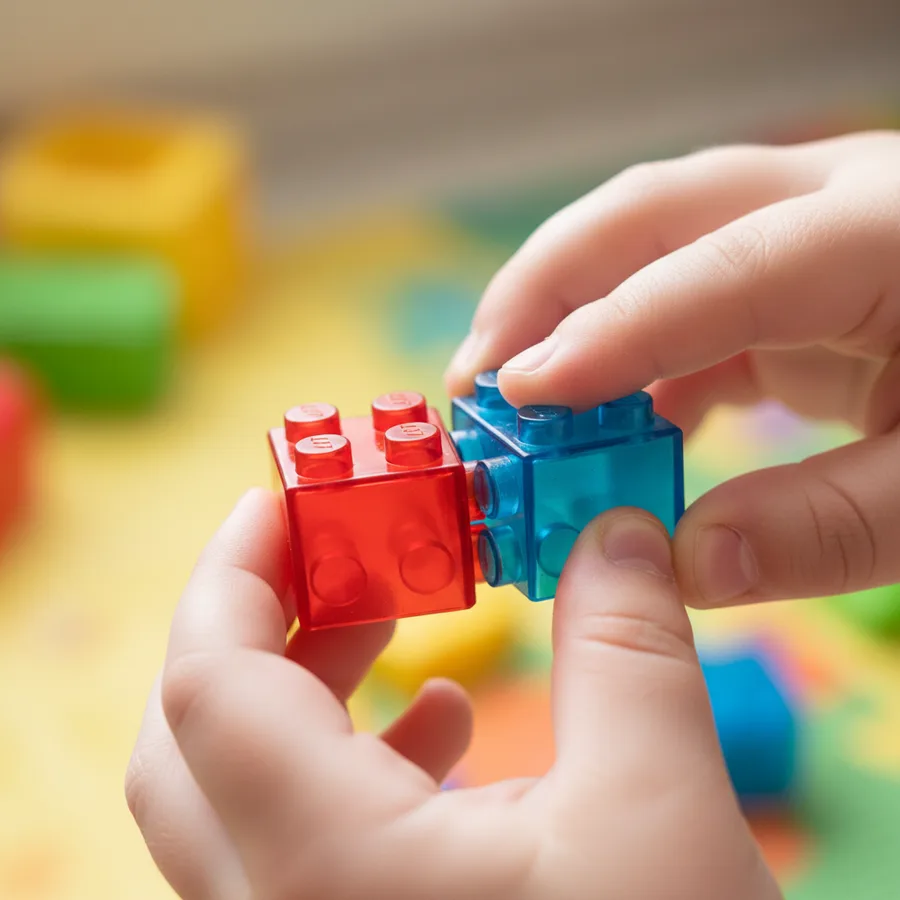
For younger builders, larger pieces are easier and safer; as dexterity improves, smaller standard bricks and detailed parts become rewarding. If you’re topping up a collection or replacing lost pieces, a tub of bricks, pieces and parts is an inexpensive way to keep the building going.
2. It develops problem-solving and spatial reasoning
Following an instruction booklet teaches kids to work through a sequence of steps, hold a goal in mind, and recognise when something has gone wrong (and fix it). Building without instructions goes further still: deciding how to make a wall stronger or a roof stay on is real spatial reasoning. Studies have long linked block play with stronger early maths and spatial skills — the mental rotation and planning involved transfer directly to geometry later on.
3. It encourages open-ended creativity
A finished set is only the beginning. The same bricks become a spaceship, then a castle, then something with no name at all. This open-ended quality is what child-development researchers call “divergent” play — there’s no single right answer, so children practise generating their own ideas. Mixing themes and eras multiplies the possibilities, which is part of the appeal of buying complete sets and packs second-hand and combining them.
4. It teaches focus, patience and resilience
A big build can’t be rushed. Children learn to stick with a task, tolerate the frustration of a piece that won’t fit, and feel the genuine reward of finishing something they made themselves. That loop — effort, setback, persistence, payoff — is how kids build resilience and a longer attention span, qualities that help far beyond the playroom.
5. It supports social and emotional growth
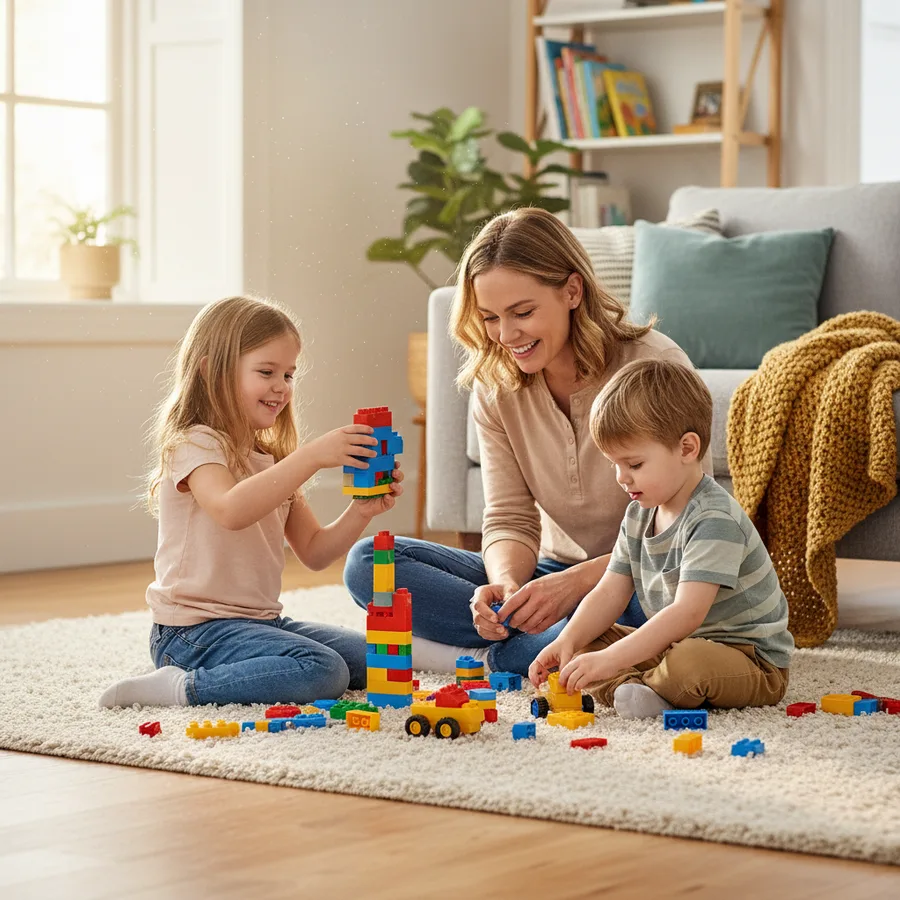
Building together teaches turn-taking, sharing, negotiating (“you do the wings, I’ll do the cockpit”), and collaborating toward a shared goal. Role-play with minifigures adds another layer, letting children act out stories, name feelings, and make sense of everyday situations in a safe, imaginative way.
6. It’s a natural gateway to STEM
Gears, axles, levers and simple machines turn play into intuitive physics and engineering. Themes aimed at older kids introduce real mechanical concepts, and the step-by-step logic of a build mirrors how programmers and engineers break big problems into small ones. None of it feels like a lesson — which is exactly why it sticks.
7. It’s screen-free, hands-on play
In a world of glowing rectangles, LEGO offers something tactile and absorbing that doesn’t need a battery. Hands-on, screen-free play is associated with better sleep, calmer focus, and more imaginative thinking. It’s also wonderfully social and easy to share across ages.
How to choose LEGO by age
- Toddlers and preschoolers do best with large bricks designed for small hands and supervised play.
- Ages 5–8 enjoy themed sets with recognisable characters and manageable piece counts — a sweet spot for confidence and pride in finishing.
- Ages 9+ are ready for bigger builds, mechanical functions and intricate detail.
Whatever the age, second-hand is a smart way to buy: kids grow out of themes quickly, and the bricks are practically indestructible. A little storage and display goes a long way toward keeping pieces sorted and the next build ready to go. When you’re ready to find something specific, search by set name or number, or browse our other LEGO buying guides on the blog.
BrickThrift is independent and not affiliated with the LEGO Group. Always check a listing’s photos and seller details before buying.